
6.38 mm clear laminated glass
Understanding SS Butterfly Valve Prices A Comprehensive Overview The butterfly valve, a crucial component in various industrial applications, is widely recognized for its ability to regulate flow efficiently. Among the various materials used in the manufacturing of butterfly valves, stainless steel (SS) is particularly favored due to its durability, resistance to corrosion, and ability to withstand high temperatures. This article delves into the factors influencing the price of SS butterfly valves and the market trends observed in recent years. 1. Material Quality The price of SS butterfly valves largely depends on the quality of stainless steel used. Different grades of stainless steel, such as 304, 316, and 316L, exhibit varying mechanical properties and corrosion resistance. For instance, 316 stainless steel, which contains molybdenum, offers enhanced corrosion resistance compared to 304 stainless steel, making it more suitable for harsh environments. As a result, valves made from higher-grade stainless steel tend to be more expensive, reflecting the quality and longevity they provide. 2. Size and Specifications The size of the butterfly valve significantly impacts its price. Larger valves require more material and more intricate manufacturing processes, increasing their cost. Additionally, specific configurations and specifications—such as pressure ratings, face-to-face dimensions, and the presence of special features like actuators or containment devices—can also lead to price variations. Custom-designed valves, built to meet unique operational requirements, will typically command a premium price. 3. Manufacturing Processes The method of manufacturing also plays an essential role in determining costs. Valves can be produced through casting or forging processes, with forged valves generally being more expensive due to the additional labor and material considerations involved. Furthermore, advanced manufacturing techniques such as precision machining can contribute to higher costs but may result in superior quality and performance, which can justify the investment in critical applications. ss butterfly valve price 4. Market Demand and Supply Chain Dynamics The market demand for SS butterfly valves is influenced by various factors, including industrial growth, infrastructure development, and advancements in technology. An increasing demand for automation in process industries has fueled the need for sophisticated valve systems. On the supply side, fluctuations in raw material prices, particularly stainless steel, can dramatically impact valve costs. Economic conditions, geopolitical issues, and changes in trade policies are additional factors that contribute to price volatility in the market. 5. Geographic Variations Pricing for SS butterfly valves can vary significantly based on geographic location. Regions with robust manufacturing capabilities and abundant raw materials may have lower prices due to reduced shipping costs and competitive manufacturing environments. Conversely, remote areas might experience higher prices due to transportation costs and fewer local suppliers. Additionally, tariffs and import duties can affect prices for imported valves, further complicating the pricing landscape. 6. Leading Manufacturers and Brands The reputation of the manufacturer can also influence pricing. Established brands with a track record of quality assurance and customer satisfaction often charge a premium for their products. Investing in reputable brands might incur a higher initial cost, but it can lead to significant savings over time due to improved reliability and reduced maintenance needs. Conclusion In summary, the price of SS butterfly valves is influenced by a multifaceted array of factors, including material quality, size, manufacturing processes, market dynamics, geographic location, and the reputation of manufacturers. As industries continue to evolve, understanding these components will be essential for businesses looking to make informed purchasing decisions. Ultimately, while the upfront cost is a crucial consideration, the long-term benefits of investing in high-quality butterfly valves can provide significant advantages in operational efficiency and lifespan.
about
6.38 mm clear laminated glass
Understanding the Three Types of Control Valves Control valves are integral components in various industrial processes, regulating the flow of fluids in a system. Their primary function is to maintain the desired flow rate, pressure, or liquid level, and they can be classified into three major types globe valves, ball valves, and butterfly valves. Each has its distinct features, advantages, and applications, allowing them to cater to diverse operational requirements. 1. Globe Valves Globe valves are widely used for regulating flow in piping systems. Characterized by a spherical body shape, these valves contain an internal baffle that divides the flow chamber into two halves, thereby controlling the fluid flow passage. When the valve is turned, the baffle moves either upward to allow greater flow or downward to restrict it. Advantages One of the key benefits of globe valves is their exceptional throttling capabilities. They provide precise control over the flow rate, making them ideal for applications requiring fine adjustments. Moreover, their design helps to minimize turbulence in the flow, which is advantageous in maintaining a consistent operation. Applications Globe valves are typically used in situations where flow regulation is critical, such as in domestic water systems, chemical processing, and heat exchangers. Their ability to maintain the required pressure gives them an edge in critical control applications. 2. Ball Valves Ball valves utilize a spherical disc, known as the 'ball,' to control the flow. When the valve handle is rotated, the ball aligns with the flow path to either allow or block the passage. This simple yet effective design provides a tight seal and ensures a high flow rate with minimal resistance. three types of control valves Advantages The primary advantage of ball valves is their ability to provide a quick shut-off. They can transition from open to closed positions with just a quarter turn, making them suitable for on/off applications. Furthermore, they tend to maintain a straightforward and compact design, which saves space in piping layouts. Applications Ball valves are commonly found in a variety of systems, including water supply lines, natural gas processing, and oil pipelines. Their robust build and reliability make them a favorite in industries where quick responsiveness is paramount. 3. Butterfly Valves Butterfly valves feature a circular disc that rotates within the valve body to control the fluid flow. The disc is positioned in the center of the pipe, and when opened, it allows fluid to flow through the valve, while closing the disc restricts the flow. The operation of butterfly valves is characterized by their efficient flow control and lower pressure drop. Advantages Butterfly valves are prized for their lightweight and compact design, enabling easy installation and minimal space requirements. They also provide a relatively simple operation compared to other valve types. Additionally, they can handle larger volumes of flow efficiently and can be used in both fully open and partially open positions to regulate flow. Applications These valves are extensively used in HVAC systems, water distribution, and wastewater treatment plants. Their ability to manage large quantities of fluids while maintaining a low-pressure drop makes them particularly suitable for large-scale operations. Conclusion Understanding the three types of control valves—globe, ball, and butterfly—is essential for selecting the appropriate valve for specific applications. Each type has its own set of advantages that cater to varying industrial needs, from precise flow regulation to quick shut-off capabilities and efficient high-volume flow management. By recognizing the distinctive features and ideal use cases of these control valves, engineers and operators can make informed decisions that enhance system performance and reliability. In a world increasingly dependent on effective fluid control, leveraging the right valve technology is a critical step towards achieving operational excellence.
-

High quality industrial productsagement

High quality industrial products
View Details -

Meet the diverse needs of customers

Meet the diverse needs of customers
View Details -

Strict quality control

Strict quality control
View Details -

Top raw materials

Top raw materials
View Details -

Trusted supplier

Trusted supplier
View Details
Our application


news and information
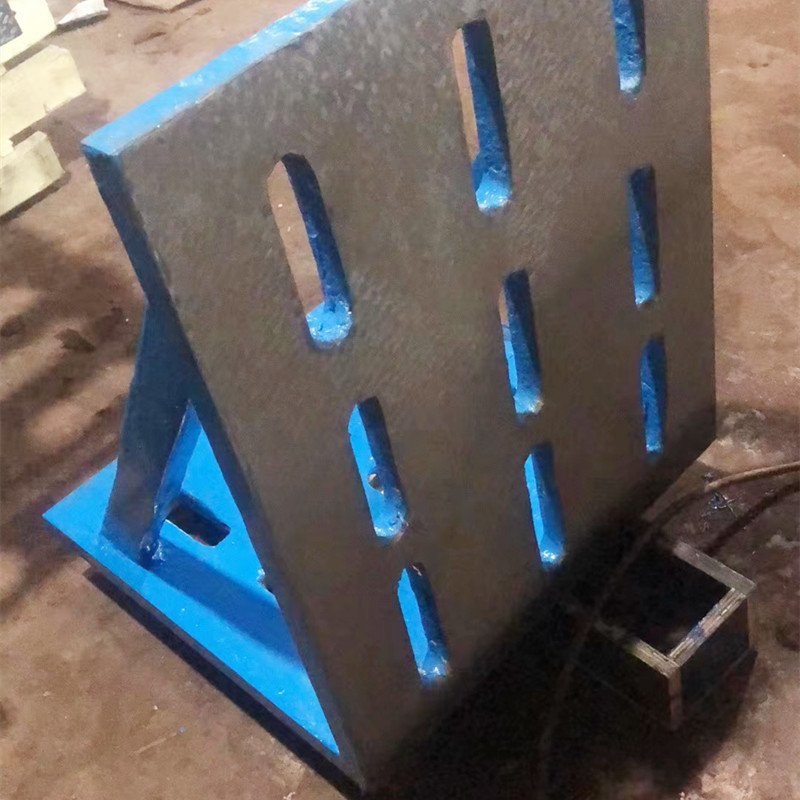
Versatile 4x4 Welding Table for Efficient Metal Fabrication and Assembly
The Versatility and Utility of a 4x4 Welding Table In the world of metalworking and fabrication, hav

What Is the Difference Between a Silent Check Valve and a Regular Check Valve_
In the realm of fluid dynamics, valves play a crucial role in controlling the flow of liquids and ga
Vérificateur anti-retour pour prévenir les refoulements dans les systèmes de canalisation
La Soupape Anti-retour Une Protection Essentielle dans les Systèmes Hydraulique La soupape anti-ret
 English